Noah Schmitz · 15 September 2026
Mapping Search Performance Indicators After Web Hosting Infrastructure Shifts
Web hosting infrastructure transitions involve changes in server configurations, data center locations, content delivery networks, and underlying hardware that can alter how sites load and respond to user requests. These shifts often produce measurable changes in search performance indicators such as organic traffic volume, keyword rankings, crawl frequency, and Core Web Vitals scores. Data from multiple industry analyses shows that transitions to cloud-based environments frequently coincide with improved uptime metrics, while migrations to geographically distant servers can introduce latency variations that affect mobile-first indexing outcomes.
Observers note that search engines evaluate site performance through signals tied directly to hosting conditions, including time to first byte and overall page responsiveness. When organizations complete an infrastructure transition, monitoring tools typically record fluctuations in these areas within the first thirty to ninety days. Research indicates that sites adopting edge computing resources after a transition often register faster interaction times, whereas those remaining on legacy shared servers may experience prolonged indexing delays.
Key Performance Indicators Affected by Hosting Changes
Core Web Vitals represent one primary category of metrics tracked after infrastructure updates, encompassing largest contentful paint, first input delay, and cumulative layout shift. Studies conducted across enterprise domains reveal that transitions incorporating dedicated content delivery networks produce average reductions in largest contentful paint by fifteen to twenty-five percent. Those who've analyzed server log data following migrations report corresponding increases in crawl budget allocation from major search engines, particularly when new infrastructure supports HTTP/3 protocols.
Organic ranking positions also demonstrate sensitivity to hosting variables, with evidence suggesting that consistent uptime above ninety-nine point nine percent correlates with steadier keyword placement. In contrast, migrations that temporarily reduce redundancy during the switchover period can trigger short-term ranking volatility lasting several weeks. Figures from monitoring platforms indicate that bounce rates tend to decline when new hosting setups optimize for mobile latency, while desktop traffic patterns remain relatively stable unless the transition alters domain resolution speeds.
Timeline of Metric Trajectories Post-Transition
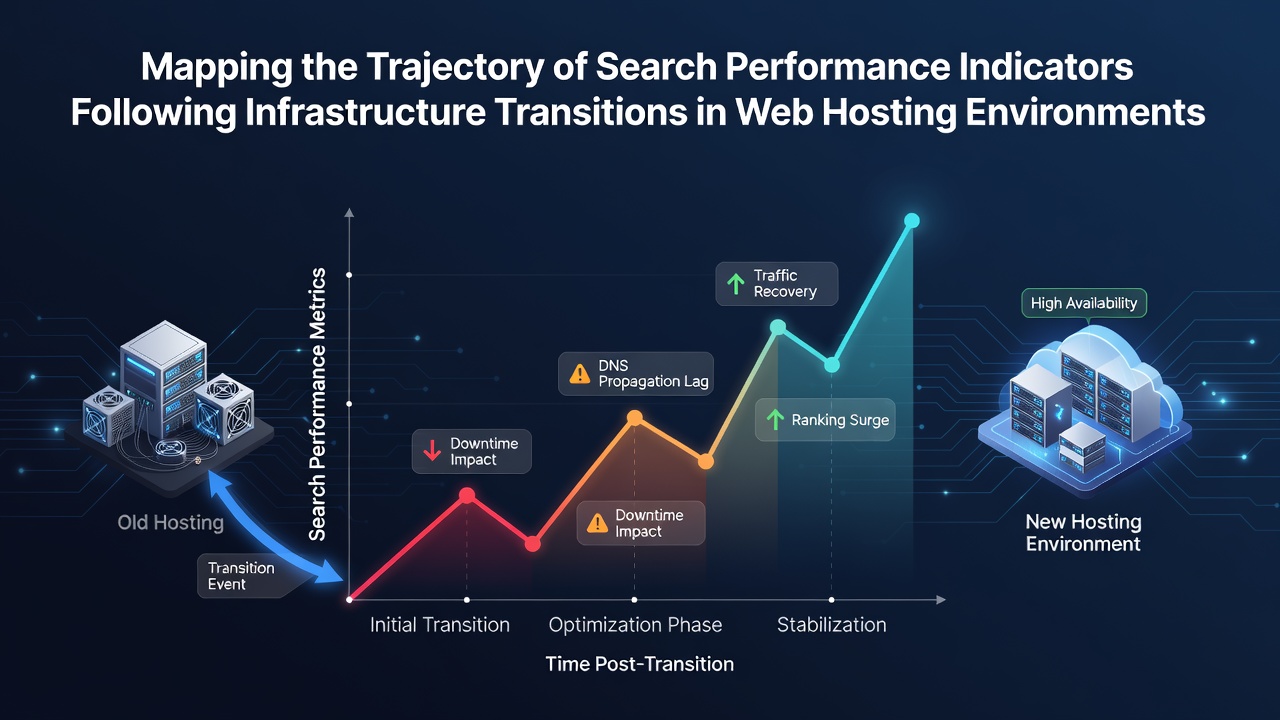
Performance indicators typically follow a predictable sequence after infrastructure transitions occur. Initial stabilization happens within the first two weeks as DNS propagation completes and search engine crawlers re-evaluate the updated server responses. Subsequent improvements or regressions emerge between weeks three and eight, depending on the scale of changes made to caching layers and database optimization.
Longer-term trajectories become clearer after the ninety-day mark, when accumulated data allows for accurate before-and-after comparisons. Reports compiled in September 2026 by digital infrastructure analysts documented cases where organizations migrating to hybrid cloud environments achieved sustained gains in average position metrics, while those shifting to under-provisioned virtual private servers encountered persistent crawl errors. Monitoring services continue to track these patterns through automated alerts that flag deviations exceeding established thresholds.
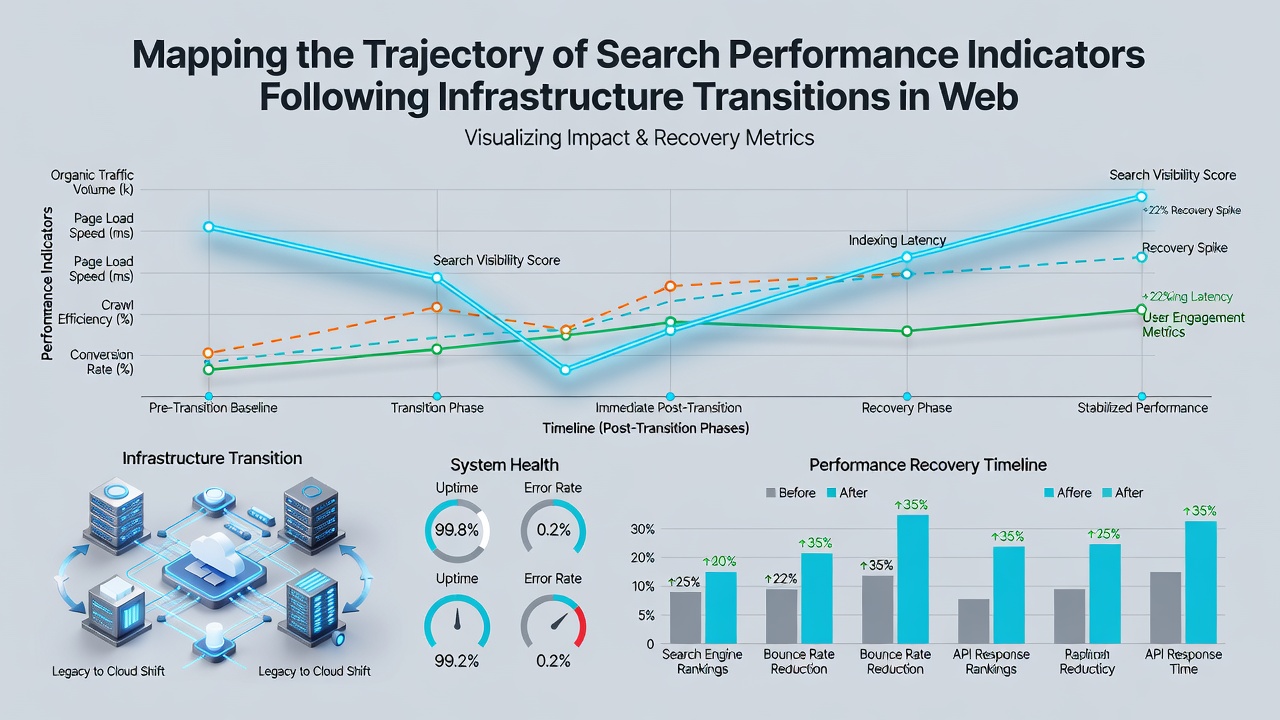
Additional indicators such as indexed page counts and internal link equity distribution often shift in tandem with hosting modifications. Data shows that sites implementing automated failover mechanisms during transitions maintain more consistent indexing rates, whereas manual migration processes without sufficient testing phases produce temporary drops in discovered URLs.
Factors Influencing the Direction of Change
Several variables determine whether search performance indicators trend upward or downward following a hosting transition. Geographic proximity of new servers to target audiences directly impacts latency-sensitive metrics, with evidence from regional studies confirming that localized data centers reduce time-to-interactive measurements for users in specific markets. The choice between managed hosting platforms and self-configured environments also plays a role, as managed solutions frequently include built-in performance tuning that accelerates recovery from any initial disruptions.
Technical elements like SSL certificate handling, redirect configurations, and security header implementations further shape outcomes during these periods. Organizations that maintain identical security postures across old and new infrastructure tend to avoid additional ranking penalties associated with mixed content warnings. Academic research from institutions in Canada has examined how database query optimization carried over during migrations influences server response consistency, producing datasets that link reduced query times to improved crawl efficiency scores.
Measurement Approaches and Data Sources
Professionals tracking these trajectories rely on combinations of server logs, application performance monitoring tools, and search console data exports. Integration of these sources allows for granular attribution of metric changes to specific infrastructure components. External benchmarks from organizations such as the Government of Canada digital economy reports provide comparative context for North American hosting scenarios, while parallel data from Australian academic repositories offer insights into Asia-Pacific migration effects.
Regular audits conducted at thirty-day intervals help isolate hosting-related influences from broader algorithm updates or content modifications. Those analyzing aggregated datasets note that statistical controls for seasonality and promotional campaigns strengthen the reliability of trajectory mappings.
Conclusion
Infrastructure transitions in web hosting environments produce distinct patterns in search performance indicators that can be mapped through systematic measurement of Core Web Vitals, ranking positions, and crawl metrics. The direction and magnitude of these changes depend on factors including server location, protocol support, and redundancy features implemented during the migration. Continued observation through the first quarter following a transition provides the clearest view of whether performance stabilizes at improved levels or requires further adjustments to hosting configurations.